Ashes Represent Purification
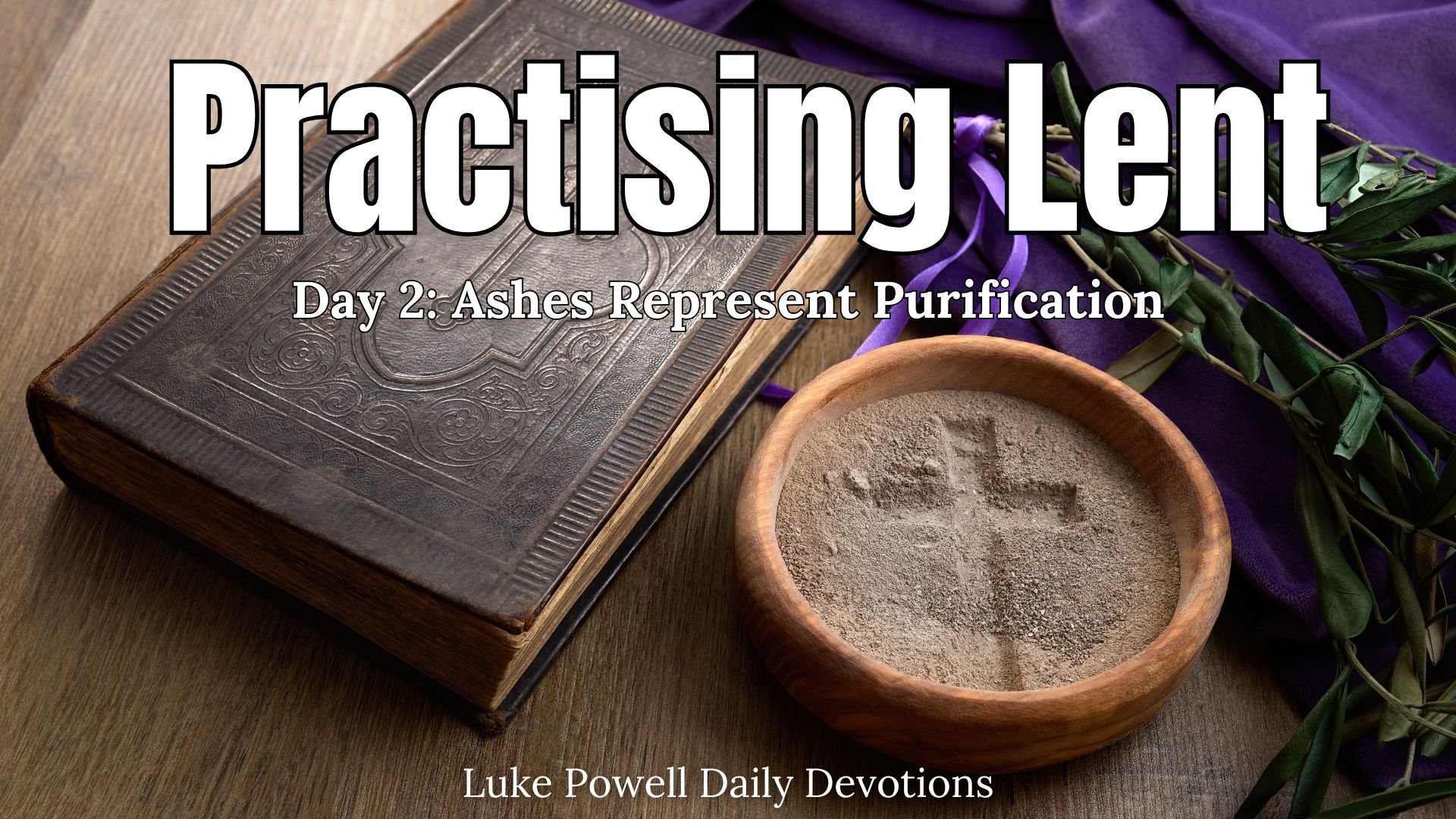
The second symbol that the ashes represent during Lent is purification.
Ashes were used in purification rituals in the Old Testament. The ashes left over from an animal sacrifice were then sprinkled on a person to purify them from sin.
But we have the blood of Christ, which does what the ashes were meant to do in the old times. The book of Hebrews explains it clearly: "The blood of goats and bulls and the ashes of a heifer sprinkled on those who are ceremonially unclean sanctify them so that they are outwardly clean. How much more, then, will the blood of Christ, who through the eternal Spirit offered Himself unblemished to God, cleanse our consciences from acts that lead to death, so that we may serve the living God!" (Hebrews 9:13-14)
Outward Versus Inward Cleansing
The writer to the Hebrews makes a distinction: the Old Testament ritual of applying ashes made people outwardly clean, but the blood of Christ cleanses us inwardly.
In the Old Testament it was a "show" more than anything: my heart hasn't changed but I am forgiven because the bull or heifer died in my place and shed its blood.
But then Jesus came and shed His blood as the Lamb of God, and His blood cleanses my conscience of guilt, so that I may serve God! Not so that I may continue in the acts that lead to death.
Now no animal sacrifices need to be made to God anymore, because Christ's blood atones for our sins, and changes our hearts!
The True Power of Christ's Blood
When you receive the ashes tomorrow, there is no power in the ashes themselves. We are not purified by ash, but we are purified by the blood of Jesus. As we are sprinkled in the blood He shed on the cross, we are purified.
Let the ashes, this Lent, be symbolic of Christ's sacrifice, which purifies us.
Circumstances shift constantly while God remains unchanging, but the greatest truth is that this lost and lonely sheep has been found.
Jesus entered the world with a clear purpose - to save His people from their sins. This is what Christmas is all about in the end!
Herod misunderstood Jesus, and missed out on redemption. It turned out, Jesus had come to reign in a way Herod didn’t expect!
Herod is the great Christmas villain! But are we more like him than we’d like to admit?
This evil King Manasseh found redemption – when he fulfilled the conditions. God’s forgiveness isn’t unconditional. We need to do what Manasseh did
While God calls us to sacrifice, there's one sacrifice we cannot make for ourselves - but God has provided it through Jesus Christ. Place your faith today in the Lamb of God who died in your place.
Circumcision in the Old Testament was more than a ritual - it was a picture of belonging to God, foreshadowing the New Testament reality of heart transformation. Consider today how God's grace goes before our understanding, welcoming us into His family even as children.
Jesus redeemed us from sin, saved us from death, and calls us His friends. Consider today which of these three truths you most need to hold onto in your current season.
God reigns in supreme majesty, yet He sent His Son to redeem humanity through the cross. Pause today to worship this majestic God who loved you enough to become one of us.
Sin brings locust-like destruction to our lives, but Jesus came as the Bread of Life to restore what was taken away and remove our shame. Praise God that for those in Christ, redemption and spiritual richness have been restored.
The springbok's ultimate sacrifice of forming a living bridge over rivers reveals the profound love of Jesus, who became our bridge to God through His death on the cross. Trust Jesus as your Living Bridge to eternal life and consider how you might lay down your life for others.
True righteousness comes not from having everything together emotionally and spiritually, but from simple faith in God despite human struggles. Place your faith today in Christ's work, not in your own emotional or spiritual perfection.
A popular way to share the gospel is to use a picture of a courtroom. Add this technique to your arsenal!
A great tool for sharing the faith is the analogy of the drowning man.
The ashes of Ash Wednesday symbolise purification, pointing us to Christ's blood that cleanses us inwardly, not just outwardly.